Single Tooth Dental Implant in Lisle, IL
Losing a single tooth does more than change your smile. It can set off bone loss, let neighboring teeth drift, and make chewing harder. At Brammeier Family Dental, Drs. Brammeier and Ericson restore dental implants so your replacement tooth looks, feels, and functions just like your natural teeth. A trusted implant surgeon handles the surgical placement while we plan your treatment and craft the custom crown that completes your new tooth, leaving you with a permanent, confident smile that preserves your jawbone and protects the health of surrounding teeth.
What it is
A titanium post set surgically into the jawbone, where it fuses with the bone and anchors a custom porcelain crown, replacing a missing tooth permanently from root to crown.
Who it's for
Anyone with a single missing tooth who wants a permanent, natural-looking replacement that protects bone and leaves the neighboring teeth untouched.
How we help
Custom treatment planning, coordination with a trusted implant surgeon for placement, and a final porcelain crown restoration that looks and functions exactly like your natural tooth.
Nothing comes closer to your real tooth than a dental implant. Schedule your consultation today.
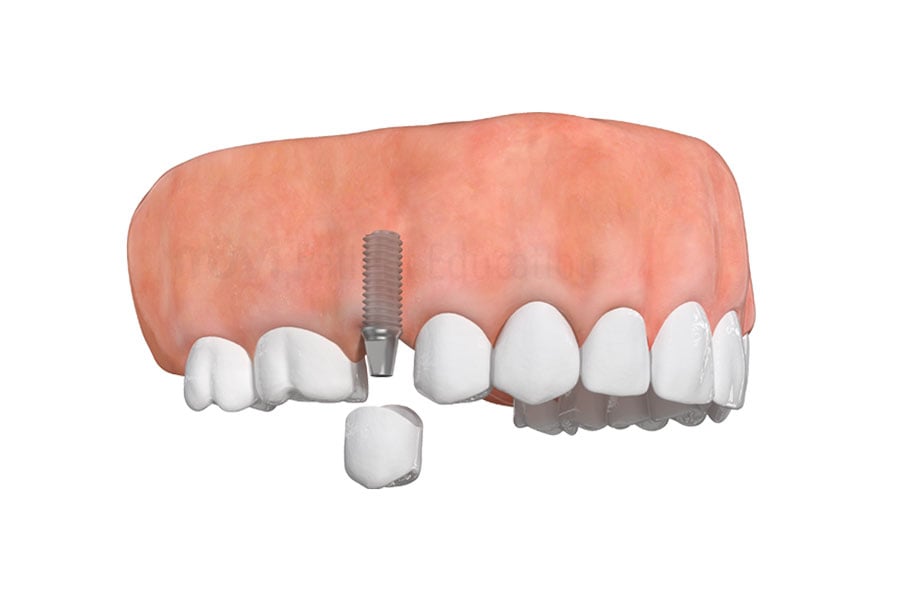
Dental Implant vs. Traditional Bridge
- Preserves neighbors: An implant supports itself, so healthy adjacent teeth are never filed down or crowned
- Prevents bone loss: Like a natural root, the titanium post stimulates the jawbone and keeps it strong and healthy
- Lasts a lifetime: Cared for properly, dental implants can last your entire life, while bridges typically need replacement every 10–15 years
- Easier to maintain: You brush and floss as usual, with no special tools or threading required
- Natural feel: An implant looks, feels, and functions exactly like your real tooth
- A bridge depends on crowning the teeth on either side, which can damage them over time
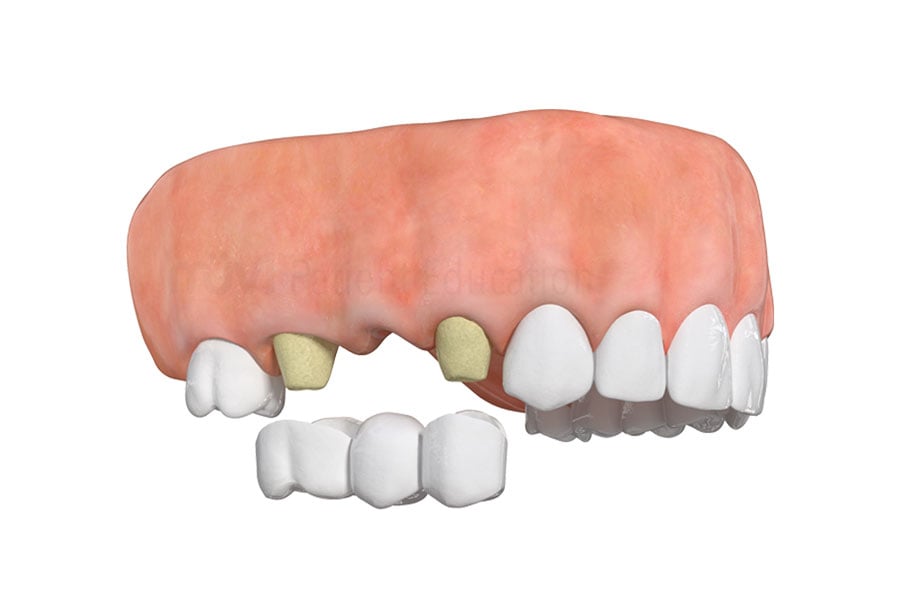
Why Choose an Implant?
- Looks natural: Your new tooth is all but impossible to tell apart from your real teeth
- Eat anything: With no dietary restrictions, you can bite and chew with full confidence
- Stays in place: Anchored permanently in your jawbone, with no slipping, shifting, or adhesives
- Protects your jaw: Stops the bone deterioration that sets in once a tooth root is missing
- One-time investment: Unlike bridges and dentures, implants don't need to be refitted or replaced
- Explore our flexible financing options to make implants affordable
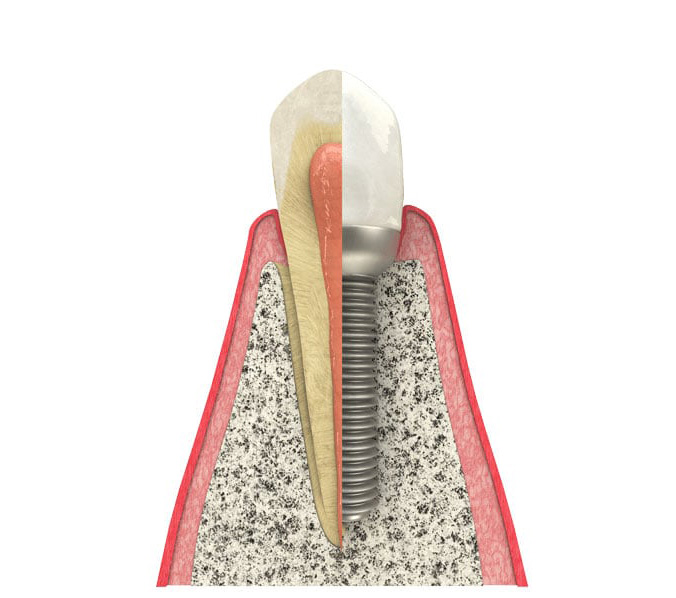
The Implant Process
- Consultation: Drs. Brammeier and Ericson examine your teeth with digital X-rays, build a precise treatment plan, and coordinate your care with a trusted implant surgeon
- Implant placement: Our partner implant surgeon places a small titanium post into the jawbone under local anesthesia
- Healing period: Across the next 3–6 months, the implant fuses with the bone in a process called osseointegration
- Abutment: A connector piece is attached to the implant to support the crown
- Crown placement: Back in our Lisle office, Drs. Brammeier and Ericson fit a custom porcelain crown that completes your new tooth
- Some cases call for bone grafting before implant placement, and your surgeon handles this as part of the coordinated plan
When it comes to tooth replacement, dental implants are the gold standard. Find out if you're a candidate.
What to Expect at Your Visit
Visit Steps
- Evaluation: Drs. Brammeier and Ericson give your teeth and jawbone a thorough look using digital X-rays and 3D imaging
- Treatment plan: You leave with a personalized plan covering timeline, cost, and what to expect at each stage
- Implant placement: A trusted implant surgeon we coordinate with places your implant under local anesthesia, and most patients report minimal discomfort
- Healing: Over several months, the implant integrates with your jawbone
- Final restoration: Drs. Brammeier and Ericson fit your custom crown to complete your new smile
Helpful Tips
- Most patients are back to normal activities the day after implant surgery
- Stick closely to your post-operative care instructions for successful healing
- Keep hard or crunchy foods away from the implant site during the initial healing period
- Keep up excellent oral hygiene by brushing twice daily and flossing around the implant
- Make every follow-up appointment so Drs. Brammeier and Ericson can monitor your healing progress
- Given proper care, your dental implant can last a lifetime
Frequently Asked Questions
From implant placement to the final crown, getting a single dental implant usually runs 3 to 6 months. Most of that stretch is healing time, during which the titanium implant fuses with your jawbone in a process called osseointegration. That biological bond is what lets a dental implant function like a natural tooth root, so it is not a step that can be hurried.
When bone grafting is needed before the implant can be placed, the timeline stretches a bit longer to allow the graft to heal first. Drs. Brammeier and Ericson will provide a realistic timeline for your specific case during your consultation, so you know what to expect at each stage.
Our role is the restorative side of your care: planning your treatment and crafting the custom porcelain crown that completes your new tooth. A trusted implant surgeon we partner with performs the surgical placement of the dental implant itself.
This coordinated approach means each specialist focuses on their strength while working together toward the same result. The surgeon places the implant, and once it has healed you will have your final custom crown designed and placed right here in our Lisle office, matched to blend seamlessly with your natural teeth.
The placement itself is not painful. The surgeon places the dental implant under local anesthesia, so the area is fully numb and you should not feel pain during the procedure, only mild pressure.
Afterward, most patients find the recovery milder than they expected, often describing the discomfort as comparable to having a tooth extracted. Any soreness or swelling is usually well controlled with over-the-counter pain medication and settles within a few days. Following your surgeon's post-operative instructions keeps your recovery smooth.
Given proper care and good oral hygiene, dental implants can last a lifetime, which is one of their biggest advantages over other tooth replacements. The titanium post is designed to be a permanent part of your jaw once it has fused with the bone, and it resists decay because it is not natural tooth material.
The one part that may eventually show wear is the porcelain crown attached on top, which can need replacement after 15 to 20 years of normal use. Even then, the implant post underneath stays in place, so only the visible crown is renewed. Brushing, flossing, and keeping regular checkups give a dental implant its best chance of lasting a lifetime.
Most adults with a missing tooth are good candidates for a dental implant. The main requirement is adequate jawbone density to anchor the implant, along with healthy gums and general good health that allows normal healing. Being a candidate is far more common than not.
Where bone loss has already occurred, it does not necessarily rule you out. Bone grafting, performed by a trusted oral surgeon we partner with, can rebuild the area into a solid foundation first. Drs. Brammeier and Ericson will evaluate your specific situation with digital imaging and let you know whether an implant is right for you or whether another option would serve you better.
The cost of a dental implant depends on your specific case, including whether bone grafting is needed and the type of crown placed on top. Because each situation is different, an exam and treatment plan are the only reliable way to get an accurate figure for your implant.
Dental implants often carry a higher upfront cost than a traditional bridge, but because a single implant can last a lifetime without needing to be refitted or replaced, it tends to be more cost-effective over the long run. At our Lisle office we provide a clear estimate up front and offer flexible financing options to make treatment accessible.
Leaving a missing tooth unreplaced sets off a chain of changes in your mouth that tend to compound over time. A single open gap can lead to several problems:
- Surrounding teeth drift and tilt into the empty space, throwing off your alignment and bite
- The jawbone in that area loses stimulation and begins to resorb and shrink
- Chewing becomes less efficient and certain foods harder to manage
- The shifting teeth and exposed spaces raise the risk of decay and gum disease in the neighbors
Because these effects build on one another, the longer you wait, the more complex and costly treatment tends to become. Replacing the tooth with a dental implant sooner protects the jawbone and the teeth around the gap before those changes take hold.
Yes. Having been without a tooth for a long time does not close the door on a dental implant, though it does make one extra step more likely. When a tooth has been missing for years, the jawbone in that spot often deteriorates from lack of stimulation, and there may not be enough bone left to anchor an implant directly.
In that situation, bone grafting can rebuild the area into a solid foundation before the implant is placed. Drs. Brammeier and Ericson will assess your bone density with digital imaging and coordinate any grafting with a trusted oral surgeon we partner with, so your implant has the support it needs to last.
Bring your smile back for good. Schedule your dental implant consultation today.