Receding Gums (Gum Recession) in Lisle, IL
Each tooth sits inside a protective gum seal. With gum recession, that gum tissue pulls back and exposes the roots, leaving them open to decay, sensitivity, and further damage, and once the seal breaks down the tooth and the bone around it are at risk. At Brammeier Family Dental, Drs. Brammeier and Ericson can pinpoint what's driving your recession and recommend the right treatment to rebuild that protection and improve your smile.
What it is
A slow wearing-away of gum tissue that uncovers tooth roots, breaks the protective seal around your teeth, and leaves the roots open to decay, sensitivity, and bone loss.
Who it affects
It can happen to anyone, though it shows up most often in adults past 40. Contributing factors include gum disease, aggressive brushing, genetics, teeth grinding, and misaligned teeth.
How we help
A careful evaluation to find the cause, non-surgical care wherever possible, and soft tissue grafting to rebuild lost gum tissue and re-cover the roots when that's what's needed.
On their own, receding gums never grow back. Treating them early prevents further damage.
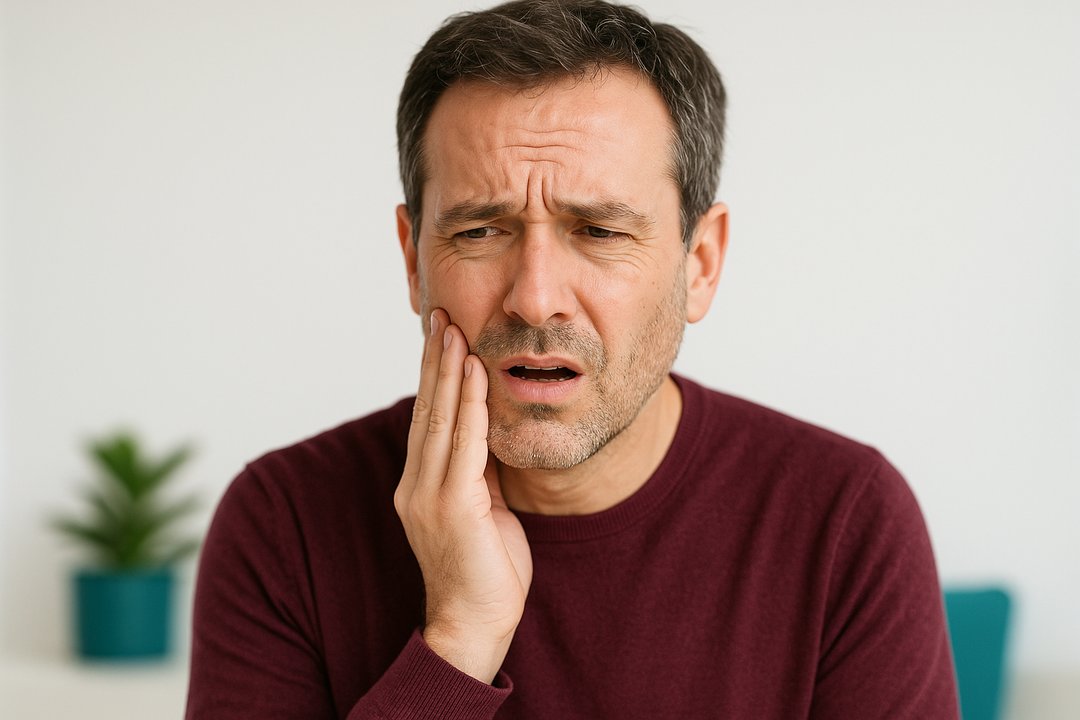
Symptoms of Gum Recession
- Sensitivity: Exposed roots make hot and cold temperatures uncomfortable
- Longer-looking teeth: As gum tissue retreats, teeth start to look longer than normal
- Exposed roots: The darker root surface shows below the gum line
- Discoloration: Compared with the crown, exposed roots often look yellowish or brownish
- Loose teeth: Losing supporting tissue can leave teeth feeling mobile
- Increased cavities: Softer than enamel, exposed root surfaces decay more easily
Causes of Gum Recession
- Periodontal disease: The bacteria behind gum disease break down the supporting bone and tissue
- Aggressive brushing: Heavy pressure or a hard-bristled toothbrush wears gum tissue away
- Poor oral hygiene: Built-up plaque and tartar fuel chronic inflammation and recession
- Genetics: Some people simply inherit thinner gum tissue
- Grinding and clenching: Excess force on the teeth drives the gums back
- Misaligned teeth: Poorly aligned teeth create uneven forces that trigger localized recession
Treatment Options
- Address the cause: When gum disease is involved, scaling and root planing is usually where we start
- Soft tissue grafting: If grafting is called for, we arrange a referral to a trusted periodontist who can rebuild lost tissue and re-cover exposed roots
- Bite correction: Balancing the bite or managing grinding can halt recession driven by excessive force
- Improved technique: A soft toothbrush and a gentler brushing motion keep further damage at bay
- Night guard: A custom night guard guards against grinding-related recession
- Drs. Brammeier and Ericson choose the best approach based on what's causing your recession and how far it has progressed
Act before sensitivity turns into pain. Treating gum recession early is both simpler and more effective.
What to Expect at Your Visit
Visit Steps
- Evaluation: Drs. Brammeier and Ericson inspect your gum tissue, measure the recession, and pinpoint the underlying cause
- Diagnosis: We give you a clear picture of your condition and what's behind it
- Treatment plan: Depending on how advanced it is, options can run from better home care to soft tissue grafting
- Treatment: When suitable we try non-surgical approaches first, turning to grafting when recession is significant
- Follow-up: Ongoing monitoring confirms the recession has stopped and any grafts are healing well
Helpful Tips
- Reach for a soft-bristled toothbrush and use gentle, circular motions instead of scrubbing back and forth
- Take sensitivity seriously, as it's often recession's first sign
- Grind your teeth at night? Ask us about a custom night guard
- Keep flossing. Done correctly it won't cause recession, but skipping it invites the gum disease that will
- Address recession early, because the more gum tissue you lose, the more involved treatment gets
- Should grafting be recommended, we partner with a trusted periodontist to coordinate the procedure and your follow-up care
Frequently Asked Questions
No. Once gum tissue has receded, it does not grow back on its own, and no amount of brushing, rinsing, or over-the-counter product will restore it. This is why gum recession is worth taking seriously early, before more tissue is lost.
What can be done is soft tissue grafting, a procedure a periodontist performs to replace the missing tissue and re-cover the exposed roots. Just as important, we address whatever caused the recession in the first place, whether that is aggressive brushing, grinding, or gum disease, so the problem does not simply continue. Tackling the underlying cause protects the tissue you still have and keeps further gum recession from setting in.
Yes, gum recession is more than a cosmetic concern. When the gums pull back, they expose the tooth roots, which are softer than enamel and far more vulnerable to decay and sensitivity. Left unaddressed, recession also allows the bone that supports your teeth to continue breaking down, and in advanced cases that ongoing loss can eventually lead to loose teeth or tooth loss.
The encouraging news is that gum recession responds well to early attention. When we catch it and treat the underlying cause in time, we can usually halt the progression and, where needed, restore coverage over the exposed roots. The sooner recession is addressed, the simpler and more effective that treatment tends to be.
In its early stages, gum recession is often painless, which is exactly why it can go unnoticed for a long time. Many people first suspect something is wrong not because of pain but because their teeth begin to look longer or a tooth becomes sensitive.
As the roots become more exposed, that can change. Because the root surface has no protective enamel, it can react sharply to hot, cold, or sweet foods and drinks, and that sensitivity is frequently the symptom that finally brings people in. If you have noticed new sensitivity or teeth that appear to be lengthening, it is worth having your gums evaluated for recession even if nothing hurts yet.
Many of the things that cause gum recession are within your control, so a good deal of it is preventable. The most effective steps focus on protecting the gum tissue and heading off the gum disease that so often drives recession:
- Brush gently with a soft-bristled toothbrush, using small circular motions rather than hard back-and-forth scrubbing
- Floss every night to ward off the gum disease that leads to recession
- Treat teeth grinding or clenching, often with a custom night guard
- Keep up with regular dental checkups and cleanings
If thinner gum tissue or gum recession runs in your family, prevention matters even more, since you may be more prone to it than others. In that case, regular monitoring lets us catch any early changes and step in before significant tissue is lost.
A gum graft, also called a soft tissue graft, is a procedure that replaces gum tissue lost to recession. A periodontist takes a small amount of tissue, usually from the roof of your mouth or from a donor source, and positions it over the exposed tooth root, where it heals into place.
The result rebuilds the protective barrier around the tooth, which reduces root sensitivity, lowers the risk of root decay, and improves the way your smile looks. When a gum graft is the right step for your recession, we coordinate your care with a trusted periodontist and welcome you back afterward to keep the surrounding gum tissue healthy.
There are several signs you can watch for at home. The most common are teeth that suddenly look longer than they used to, root surfaces becoming visible near the gum line (these usually look darker or more yellow than the crown of the tooth), new sensitivity to hot, cold, or sweet foods, and a small notch or step you can feel with your tongue or fingernail where the gum meets the tooth.
That said, gum recession often begins in spots that are hard to see on your own, and it can develop so gradually that day-to-day changes are easy to miss. During a routine exam at our Lisle office, Drs. Brammeier and Ericson can measure your gum levels and spot recession early, even in areas you would never catch yourself, which is one more reason regular visits matter.
Protect your roots and your smile. Book your gum recession evaluation today.